Discover the Raw Broadcast Essentials

Broadcasting demands precision. Equipment choice matters. Workflow efficiency is key. I focus on the essentials that make a difference. This guide covers what you need to know about raw broadcast gear and processes. It’s practical, clear, and to the point.
Understanding Raw Broadcast Essentials
Raw broadcast means working with uncompressed or minimally processed video and audio signals. It preserves quality. It allows flexibility in post-production. But it requires specific equipment and setup.
Key components include:
Cameras capable of outputting raw signals.
Capture devices that handle high data rates.
Storage solutions with fast write speeds.
Editing systems that support raw formats.
For example, a studio might use a camera like the Blackmagic URSA Mini Pro. It outputs raw files that editors can colour grade extensively. Storage must be SSD-based to keep up with data flow.
Choosing the right gear depends on your workflow. If you need live broadcast, low latency is critical. For recorded content, focus on storage and editing compatibility.
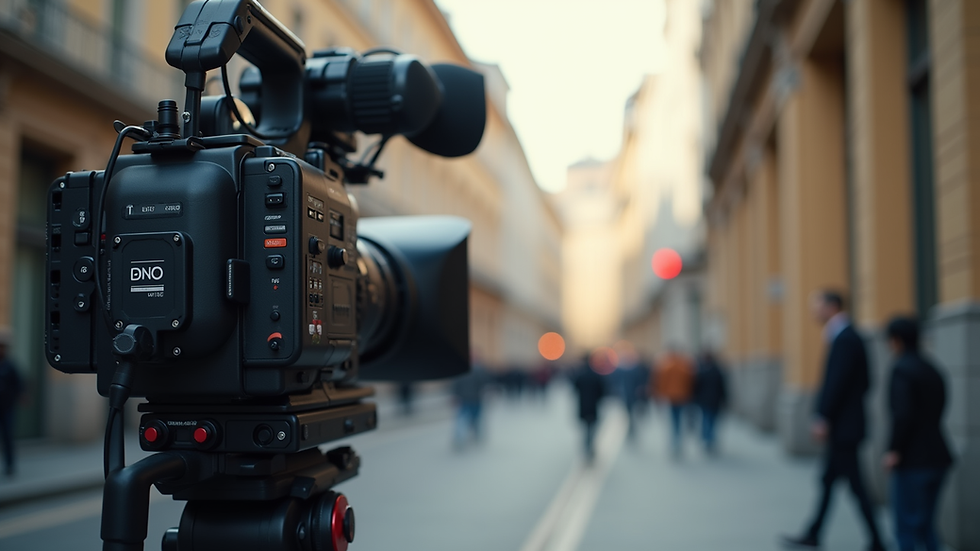
Equipment Selection and Setup Tips
Start with cameras. Look for models that support raw output via SDI or HDMI. Check compatibility with your capture cards. Popular capture cards include Blackmagic DeckLink and AJA KONA.
Next, consider your storage. Raw files are large. Use RAID arrays or NVMe SSDs for speed and reliability. Plan for backup solutions to avoid data loss.
Audio is often overlooked. Use separate audio recorders or mixers that can sync with video. This ensures clean sound and easier post-production.
Setup tips:
Test all connections before shoots.
Monitor signal quality continuously.
Label cables and devices clearly.
Use power conditioners to protect equipment.
Train staff on handling raw files.
These steps reduce errors and downtime.
Did Samantha Irvin leave?
No relevant information found regarding Samantha Irvin’s departure. This section is omitted.
Workflow and Post-Production Considerations
Raw broadcast workflows differ from compressed workflows. They require more storage and processing power. But they offer unmatched quality and flexibility.
Typical workflow steps:
Capture raw footage.
Transfer files to editing systems.
Perform colour grading and effects.
Export final compressed files for broadcast.
Use software like DaVinci Resolve or Adobe Premiere Pro with raw support. Ensure your editing suite has enough RAM and GPU power.
File management is crucial. Organise footage by date, camera, and scene. Use metadata tagging to speed up searches.
For live raw broadcast, use hardware encoders to compress signals in real-time. This balances quality and bandwidth.

Maximising Value from Studio Clearance and Equipment Recycling
Old broadcast equipment can be a liability. Clearing studios efficiently frees space and recovers value. Recycling reduces waste and supports sustainability.
Steps to maximise value:
Inventory all equipment.
Identify items for resale or donation.
Arrange professional clearance services.
Recycle unusable gear responsibly.
Specialist companies handle this process. They ensure data security and environmental compliance.
This approach aligns with business goals to provide clients with full lifecycle solutions for broadcast gear.
Final Thoughts on Raw Broadcast Essentials
Mastering raw broadcast requires attention to detail. Equipment choice, setup, and workflow all impact results. Prioritise quality and reliability.
Invest in compatible cameras, capture devices, and storage. Train your team on handling raw files. Plan workflows that balance quality with efficiency.
Remember, raw broadcast is about preserving the highest quality signal. It supports creative freedom and professional standards.
Stay updated on technology trends. Adapt your setup as new tools emerge. This keeps your broadcast operations competitive and effective.


Comments